

Exploring how social influence shapes gambling behaviors and decisions
The Role of Social Norms in Gambling
Social norms significantly influence gambling behaviors by establishing what is considered acceptable or typical within a community. When individuals observe friends or family engaging in gambling, they may feel a heightened sense of approval or encouragement to participate themselves. Additionally, players can easily explore flexible withdrawal options when they visit https://magicsin77-australia.com/withdraw/, which enhances their gaming experience. This phenomenon is particularly prominent in social settings where gambling is normalized, such as during sports events or celebrations. The more frequently an individual witnesses gambling in their immediate social circle, the more likely they are to perceive it as a regular pastime.

Furthermore, social norms can create a sense of belonging among gamblers. When individuals share similar experiences, it fosters a collective identity that can enhance their engagement in gambling activities. This identity can encourage riskier behaviors, such as placing larger bets or trying new games, as individuals seek to impress their peers or fit in with the group. This peer pressure can lead to a cycle of gambling behavior that becomes increasingly entrenched over time.
The impact of social norms extends beyond personal circles; mass media also plays a crucial role in shaping perceptions around gambling. Advertisements that glamorize gambling or portray it as a pathway to wealth can influence public opinion, leading to increased participation rates. As these representations become pervasive, they can alter individual attitudes toward gambling, making it seem more appealing and socially acceptable.
The Impact of Social Media on Gambling Behavior
In today’s digital age, social media has become a powerful tool that shapes gambling behaviors among individuals. Platforms like Facebook, Instagram, and Twitter allow users to share their gambling experiences, which can influence their followers to engage in similar activities. For instance, posting about a significant win or sharing promotional offers can create a sense of urgency and excitement, enticing friends and followers to try their luck. This virtual validation can reinforce gambling habits and encourage individuals to partake in activities they might have otherwise avoided.
Moreover, social media allows for the rapid dissemination of information about gambling trends and opportunities. Gamblers often follow influencers or dedicated gaming accounts, which can impact their decisions about where and how to gamble. These influencers may share strategies, tips, or links to online platforms, creating a sense of trust and legitimacy around particular gambling options. Consequently, social media serves as both a marketing tool and a social influence, shaping how users approach gambling.
The interplay between social media and gambling is further complicated by the potential for addiction. As individuals become immersed in online gambling communities, the lines between entertainment and risk can blur. The constant stream of updates and interactions can lead to impulsive decisions, prompting individuals to gamble more than they initially intended. This cycle can perpetuate unhealthy gambling behaviors as the desire for social validation outweighs financial concerns.
Peer Pressure and Gambling Decisions
Peer pressure is a significant force in shaping gambling decisions, particularly among younger individuals. In social settings, friends may encourage each other to gamble, often downplaying the risks involved. This camaraderie can create a false sense of security, leading individuals to believe that they are less likely to face negative consequences when they are part of a group. As a result, the thrill of gambling can be amplified by social dynamics, prompting individuals to take risks they might otherwise avoid.
Interestingly, peer pressure can manifest in both positive and negative ways. On one hand, friends may motivate each other to try new games and share winning strategies, fostering a sense of excitement and engagement. On the other hand, negative peer pressure can lead to compulsive gambling behaviors, where individuals may feel obligated to place bets or continue playing despite losses. This complex dynamic highlights how social relationships can profoundly influence gambling habits and decisions.
Research suggests that the impact of peer pressure on gambling is particularly pronounced in environments where competition is emphasized. For example, in group settings such as casinos or online gaming platforms, the desire to outperform peers can drive individuals to gamble more aggressively. This competitive spirit, while initially exhilarating, can lead to financial distress and other detrimental consequences, illustrating the need for awareness and responsible gambling practices.
The Psychological Underpinnings of Social Influence in Gambling
The psychology behind social influence in gambling encompasses various factors, including cognitive biases and emotional triggers. One common cognitive bias is the illusion of control, where individuals believe they can influence the outcomes of games based on their decisions. This misconception can be exacerbated by social interactions that reinforce these beliefs, leading to increased gambling frequency and larger bets. Understanding these psychological mechanisms is crucial in addressing unhealthy gambling behaviors.
Emotions also play a key role in shaping gambling decisions influenced by social contexts. For instance, the excitement of a group win can enhance feelings of happiness and bonding, prompting individuals to gamble more frequently. Conversely, social losses can lead to feelings of disappointment or shame, which might drive individuals to gamble again in an attempt to recover their losses. These emotional responses are often amplified in social settings, creating a cyclical pattern of behavior that can be hard to break.
Additionally, the concept of social proof—where individuals look to others for cues on how to behave—can heavily influence gambling decisions. When someone observes their friends winning, they may feel compelled to join in, believing that their chances of success are similarly high. This phenomenon can lead to impulsive decisions, as individuals act based on the behaviors of those around them rather than assessing their personal circumstances and the risks involved.
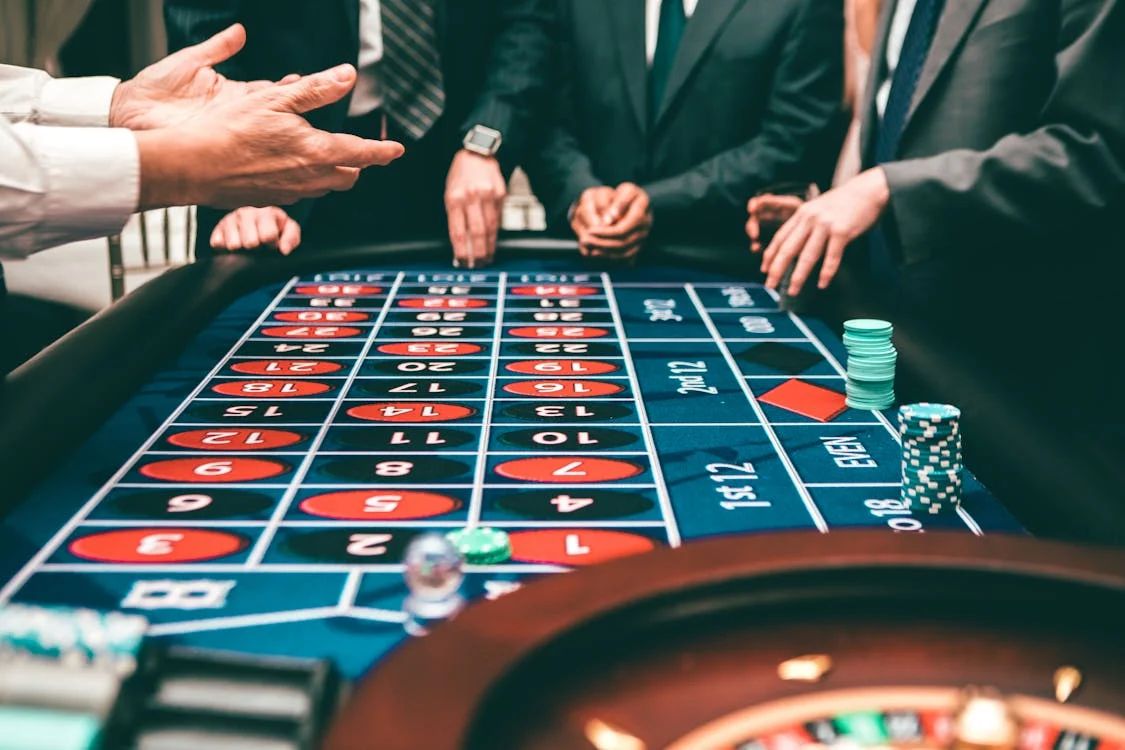
MagicSin77: A Community-Driven Gambling Experience
MagicSin77 represents a unique approach to online gambling, combining a wide range of games with a user-friendly environment that prioritizes social interaction. Designed specifically for Australian players, the platform fosters a sense of community by offering various games that players can enjoy together. This communal aspect can enhance the overall gambling experience, making it more enjoyable and engaging.
The platform also emphasizes responsible gambling practices, providing players with tools and resources to manage their gaming habits effectively. By promoting financial management and offering support through a dedicated customer service team, MagicSin77 aims to create a safe and enjoyable gambling environment. This commitment to player welfare is crucial, especially in a landscape where social influences can lead to impulsive gambling behaviors.
Furthermore, MagicSin77 enhances player engagement through attractive bonuses and flexible withdrawal options. By creating an environment where players feel valued, the platform encourages a positive gambling experience, setting itself apart from competitors. This focus on community and player satisfaction exemplifies how online gambling can adapt to the social dynamics that shape player behaviors and decisions.
